
Industry update
Discontinued does not mean forgotten under the EU Right to Repair
The difficult part of Right to Repair is not only offering a repair. It is keeping model, part and repair information accurate and accessible for years after sales end.

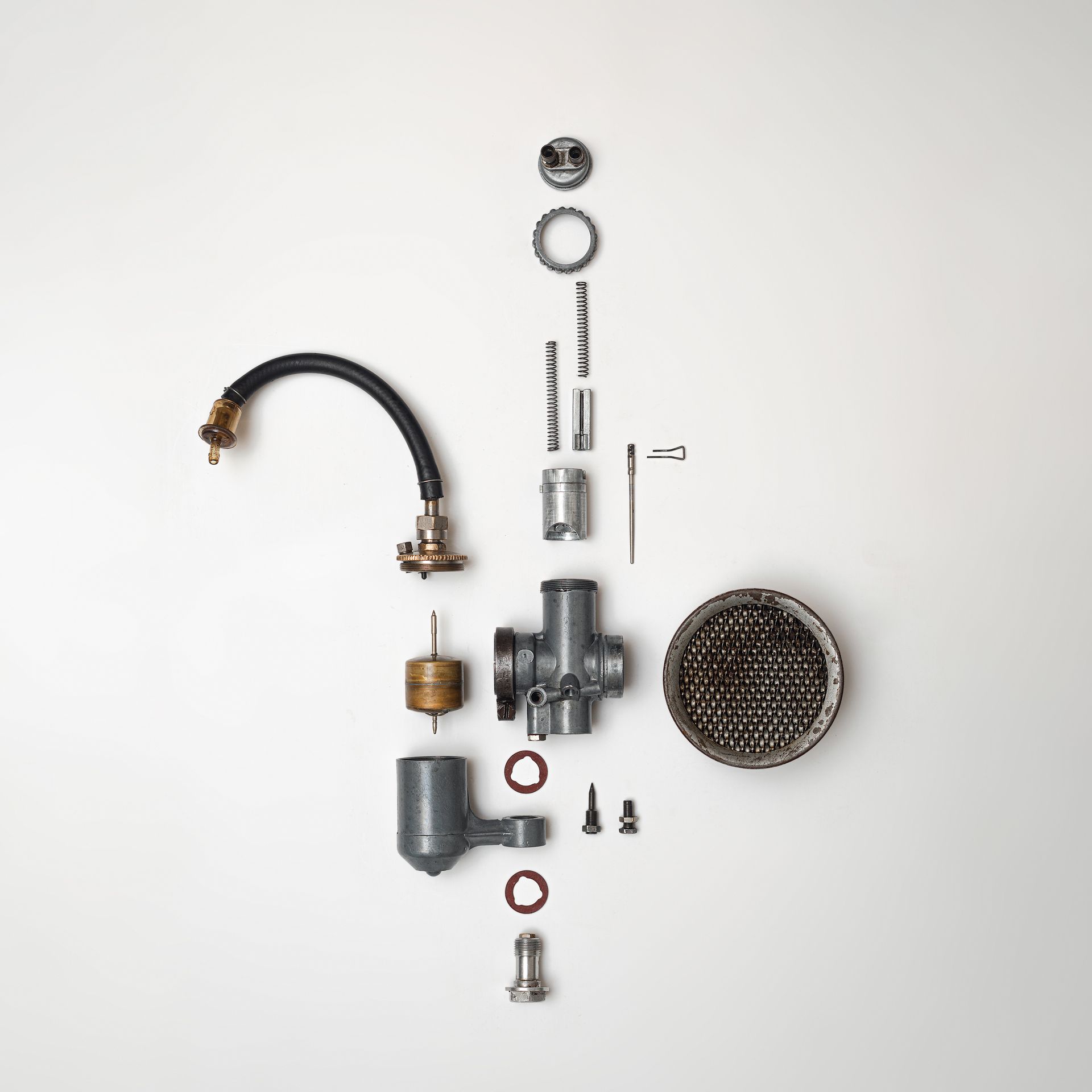
An exploded arrangement makes individual service parts easier to identify, document and keep accessible throughout a product’s repair lifecycle.
A product can leave the market. Its parts information cannot simply disappear.
From 31 July 2026, EU Member States must apply national measures implementing Directive (EU) 2024/1799. The directive creates a repair obligation for goods covered by the EU repairability requirements listed in Annex II, subject to the scope and conditions of those product-specific rules.
For manufacturers, the difficult part is not only arranging a repair. It is keeping the correct model, diagram, part number, replacement relationship, repair instruction and ordering route usable long after the commercial product page has disappeared.
That operational afterlife can last for years. Existing ecodesign rules already require certain spare parts and repair information to remain available after a model is no longer placed on the market.
The repair obligation exposes a data-lifecycle problem
Current EU ecodesign rules show how long parts, ordering routes and technical information may need to remain usable after the sales lifecycle has ended.
- 1
Household washing machines: at least 10 years
Specified spare parts must remain available for a minimum of 10 years after the last unit of the model is placed on the market. Relevant parts lists and ordering procedures must remain available for the applicable period, and covered spare parts must generally be delivered within 15 working days.
- 2
Smartphones and slate tablets: at least 7 years
Specified spare parts and repair information must remain available until at least 7 years after the end of placement on the market. The maximum delivery period is 5 working days during the first five years and 10 working days during the remaining two years.
- 3
Repair information is more than a PDF
Product-specific rules can require clear model identification, disassembly maps or exploded views, wiring diagrams, diagnostic information, repair instructions and software or firmware guidance.
- 4
A discontinued model remains an active service object
Customers and repairers may still need to identify the model, find the correct diagram, verify the original part, follow a replacement relationship and reach a valid ordering or repair route years after sales have stopped.
What manufacturers should prepare now
The starting point is a product-by-product scope assessment. Once the applicable rules are clear, the next question is whether the organization can keep the approved information accurate, findable and available for the full required period.
1. Separate service data from the sales lifecycle
A webshop category or product page may be removed when a model is discontinued. The service record should not disappear with it. Model identification, diagrams, parts, repair documents and access routes need their own lifecycle and retention rules.
2. Preserve model and part relationships
Keep the link between a model, its diagrams, callout numbers and part records intact. When a part is replaced or superseded, retain the original reference and show the approved successor with any relevant compatibility or installation note.
3. Define public and professional access
Some information must be publicly accessible, while other technical information may be limited to registered professional repairers under the applicable product rules. Define which audience can see each document, part list and instruction, and how access requests are handled.
4. Give long-lived information an owner
Assign responsibility for part status, replacement relationships, repair documents, translations, ordering routes and publication. A ten-year obligation cannot depend on the person who created the original PDF still being available.
5. Keep the publication route alive
The information should remain reachable even when websites, commerce platforms, dealers or internal systems change. Plan how legacy models will be migrated, redirected and tested when a channel is replaced.
Where PartGrid fits
PartGrid can turn existing PDF parts manuals, exploded views and structured part lists into a reviewed digital catalog. Relevant pages can be prepared as interactive parts diagrams, detected callouts and part matches can be checked before publication, and users can search by model, diagram or part.
Original part references can remain connected to approved successor parts through part replacement and supersession relationships. Catalogs can then be hosted or embedded in an existing service, dealer or ecommerce experience.
PartGrid does not determine which laws, product groups or retention periods apply. It does not guarantee legal compliance, repair availability or physical spare-parts supply. It provides a catalog and delivery layer for the information an organization has approved for publication.
Sources and further reading
- Directive (EU) 2024/1799 on common rules promoting the repair of goods
EUR-Lex / European Union · 2024-07-10
Official legal text covering scope, repair obligations, information requirements, national implementation dates and Annex II.
- Common rules promoting the repair of goods
EUR-Lex / European Union
Official EUR-Lex summary including the application date and EU estimates for waste, greenhouse-gas emissions and consumer replacement costs.
- Commission Regulation (EU) 2019/2023
EUR-Lex / European Union · 2019-12-05
Product-specific ecodesign requirements for household washing machines and washer-dryers, including spare-parts periods, delivery times and repair information.
- Commission Regulation (EU) 2023/1670
EUR-Lex / European Union · 2023-08-31
Product-specific ecodesign requirements for smartphones and slate tablets, including spare-parts periods, delivery times and repair information.
Practical boundaries
Questions manufacturers commonly ask
Separate the legal assessment from the long-term work of maintaining and delivering approved repair information.
Do the same 7-year or 10-year periods apply to every product?+
No. The applicable products, parts, access rules and time periods come from product-specific EU requirements and national implementation. The 7-year and 10-year periods in this article are examples from smartphone, tablet and household washing-machine rules.
Are exploded views always legally required?+
No. The directive does not create a universal exploded-view requirement for every product. However, certain product-specific ecodesign rules expressly include a disassembly map or exploded view in the repair and maintenance information for professional repairers.
What happens when a model is no longer sold?+
The sales page can be retired, but relevant service information may still need to remain available under the applicable product rules. Manufacturers should preserve model identification, parts relationships, repair documents and a working publication or ordering route for the required period.
Does using PartGrid make a manufacturer compliant?+
No. PartGrid can support the organization, review and delivery of parts and repair information. Compliance also depends on product scope, national law, repair services, commercial terms, physical parts supply and processes outside PartGrid.
Build the service catalog before the sales catalog disappears
Turn legacy manuals, exploded views and part lists into a reviewed digital catalog that can remain usable throughout the product's service life.